
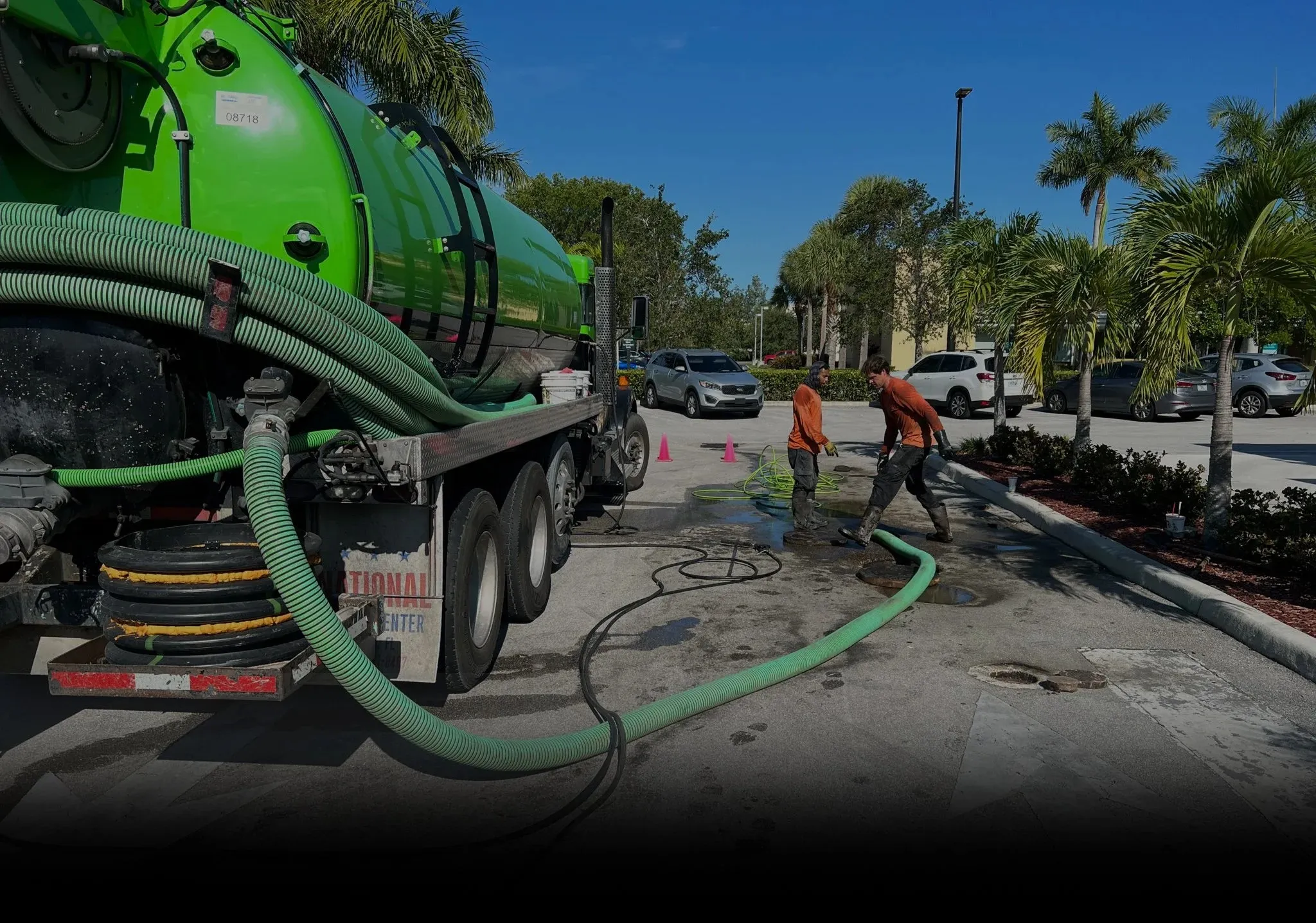
How Often Does a Grease Trap Need Pumping?
It depends on how much your kitchen cooks, not the calendar alone. The 25 percent rule is the real trigger: once fats, oils, grease and solids reach a quarter of the tank's liquid depth, pumping is due, and waiting past that point risks a backup into the kitchen. A busy Kansas City restaurant near downtown might hit that line every few weeks. A slower cafe might stretch it out longer. Prime Point Porta Potty checks the depth on-site instead of guessing, and sets a pumping interval built around what your line actually produces. This is separate from a home septic tank, which typically gets pumped every 3 to 5 years based on tank size and household size. That's a different system entirely, covered on our septic tank pumping cost page, and if your restaurant sits on a private septic system rather than city sewer, you may need both services. See septic pumping service for that side of things, and how often to pump a septic tank for the residential comparison.
What Does Grease Trap Pumping Cost?
Pricing depends on trap size, how far past due it is, and whether it's a standing service or an emergency call. Kansas City kitchens on a regular route pay less per visit than a one-time emergency pump. Here's how comparable pumping work is typically priced:
| service type | duration | typical range |
|---|---|---|
| septic pumping | day | 150 to 300 |
| septic pumping | weekend | 50 to 150 |
| service call fee | day | 100 to 300 |
| service call fee | week | 30 to 220 |
Grease trap jobs get quoted against the size of your interceptor and the drive to your location, so ask for a number specific to your kitchen through request a quote. If your grease trap backs up outside business hours, emergency septic service covers that call. For general septic pumping cost context, see septic tank pumping cost.
Why Does Commercial Grease Trap Pumping Matter?
A trap that overflows sends fats and oils straight into the sewer line, and that backs up faster than most kitchen managers expect. Commercial grease trap pumping keeps that from happening on your schedule instead of the health inspector's. Kansas City restaurants, bakeries, and food trucks all use interceptors sized differently, and Prime Point Porta Potty services all of them, from small under-counter units to full in-ground traps. This work runs alongside our other site services: if you're doing a kitchen renovation, pair it with a construction dumpster rental or a roll-off dumpster rental for demo debris, and add a handwashing station rental if your sinks go offline during the work. Crews handling any paint or coating work on-site should know that washing facilities apply per OSHA 1926.51(f)(1) whenever paints, coatings, herbicides or insecticides are in use. For general jobsite sanitation counts unrelated to grease work, OSHA 1926.51(c) sets the toilet ratio by crew size, covered fully on our OSHA portable toilet requirements page.
How do I know if my grease trap needs pumping now?
Slow drains, a sulfur smell near the trap, or grease surfacing in the trap lid are the signs. Once fats and solids reach 25 percent of the liquid depth, it's due. Don't wait for a backup. Call for emergency septic service if it's already overflowing.
Is grease trap pumping different from septic pumping?
Yes. A grease trap catches fats and oils from a kitchen line before they hit the sewer, while a septic tank handles all wastewater from a building not on city sewer. Both need scheduled pumping, but on different triggers. See septic tank cleaning for the residential side.
Can I schedule grease trap pumping on a regular route?
Yes. Most commercial kitchens in Kansas City set up a recurring schedule instead of waiting for problems. Prime Point Porta Potty builds the interval around your kitchen's volume, checked against actual tank depth rather than a fixed date.
What size grease traps does Prime Point Porta Potty service?
Under-counter units and full in-ground interceptors both get serviced. Size determines pump time and cost, not whether we can handle it. Ask for specifics on our grease trap pumping service page or through request a quote.
Does grease trap pumping require a permit in Kansas City?
Placement and disposal rules vary by property and need confirming with the city directly. Prime Point Porta Potty can point you toward the right contact once we know your address and trap type. See porta potty permit requirements for how permitting questions generally get handled on similar jobs.
Next step
Get a delivery date
Tell us the address, the dates and the headcount. We size the order and confirm the route.