

How Much Does Septic Tank Pumping Cost?
A standard pump-out for a home septic tank in Kansas City falls between $150 and $300 for a day-rate visit, and most calls land close to $250. That range covers the truck, the crew, and disposal. It does not cover a collapsed lid, a tank that has never been located, or a line that needs to be jetted. Weekend calls run higher, generally $50 to $150 above a weekday visit, so if your gathering is Saturday and the tank backs up Friday night, budget for that premium. Prime Point Porta Potty prices septic work the same way it prices septic pumping service: flat, with the scope stated before the truck rolls. If you are comparing this against a portable option instead, like for a construction trailer or an event site, check holding tank rental or porta potty rental cost for how those numbers stack up.
What Drives Septic Tank Cleaning Prices Up or Down?
Tank size and access are the two biggest swings. A larger household tank holds more solids and takes longer to pump clean, which pushes the bill toward the top of the $150 to $300 band. Access matters just as much: a tank buried under a deck, or one nobody has opened in years, adds labor before the truck even starts pumping. Septic tank cleaning crews also check for early signs of trouble while they're on site, since septic tank warning signs like slow drains or wet spots in the yard often show up months before a full backup. If your property uses a grease interceptor instead of a standard tank, that's priced and scheduled differently. A grease interceptor is pumped once fats, oils, grease and solids reach 25 percent of the liquid depth, and that schedule has nothing to do with household size. See grease trap pumping for that side of the business. Kansas City properties near Blue Summit, 7.2 miles southeast, and Raytown, 13.6 miles southeast, see the same pricing structure; distance from the shop doesn't change the tank math.
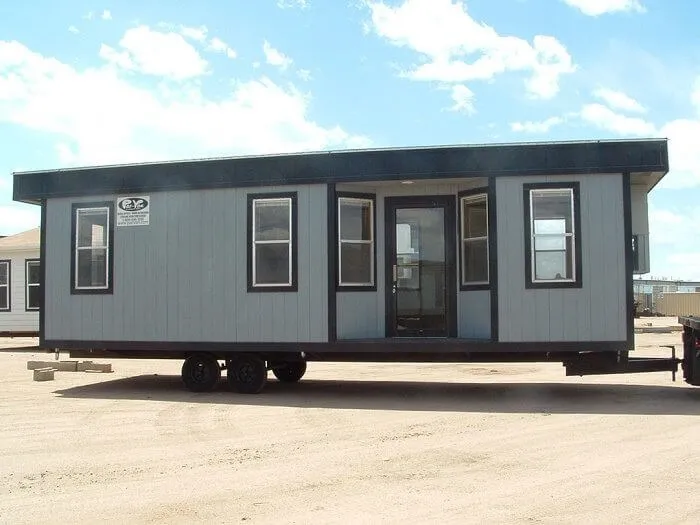
How Often Should a Septic Tank Be Pumped in Kansas City?
Most residential tanks need pumping every 3 to 5 years, and that interval is driven by tank size relative to household size, not by a fixed calendar date. A larger family or a smaller tank pushes that number down toward 3 years. A couple in a home with an oversized tank might stretch closer to 5. How often to pump a septic tank walks through how to estimate your own interval based on tank capacity and daily water use. Waiting too long doesn't just risk a backup inside the house; solids that build past the safe line get pulled into the drain field, and a drain field replacement costs far more than a pump-out ever will. If you're not sure when your tank was last serviced, that's reason enough to schedule now rather than guess. Emergency septic work in Kansas City, when a tank floods or backs up without warning, is handled under emergency septic service rather than the standard scheduled visit, and it's priced differently because it's unplanned.
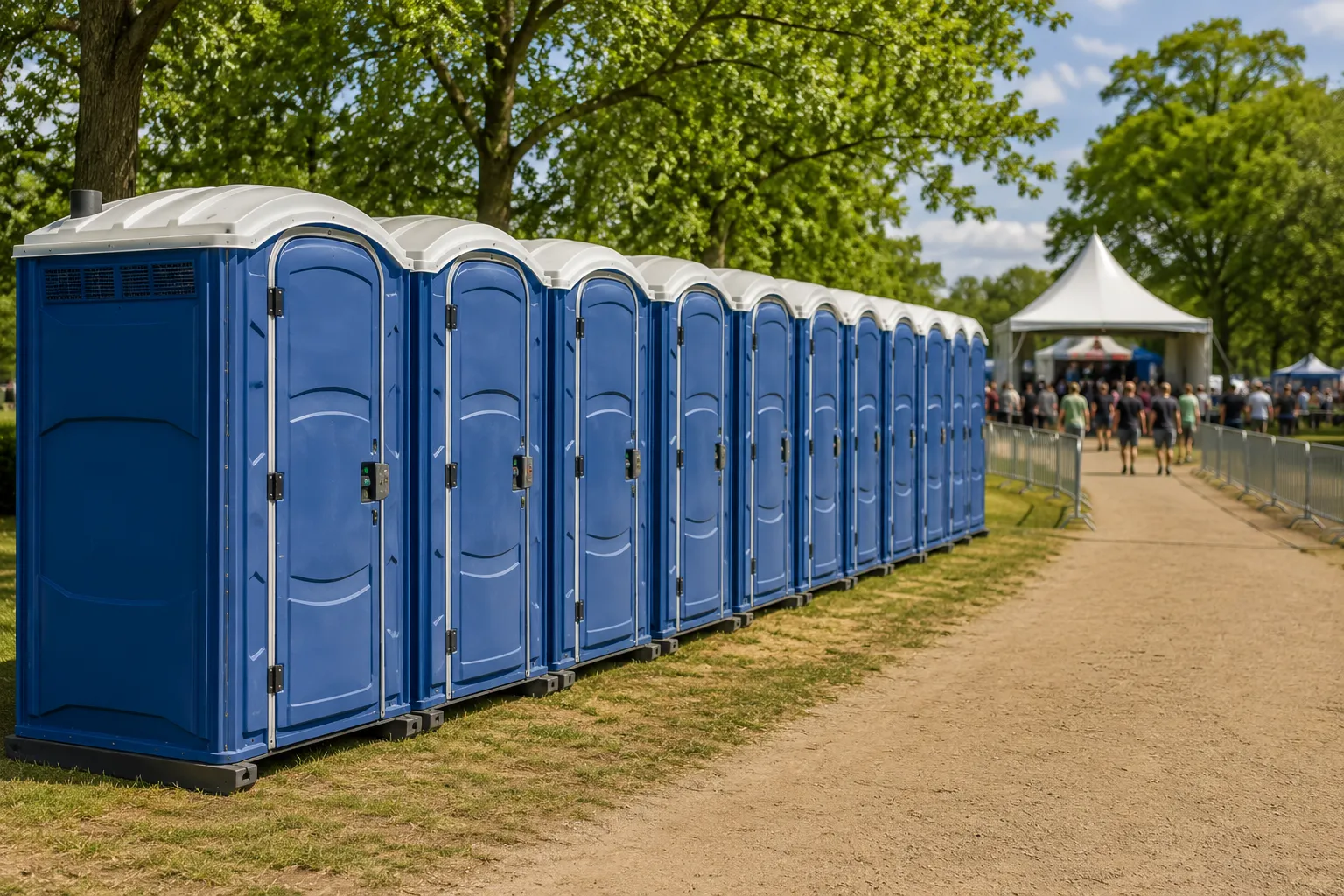
Is Septic Pumping Priced Differently Than Portable Toilet Service?
Yes, and the two rarely overlap on the same invoice. Septic pumping is a single scheduled or emergency visit priced by tank size and access, landing in that $150 to $300 day-rate band. Portable toilet rental is priced by duration instead, whether that's a porta potty rental per day for a one-day job or a monthly porta potty rental for a construction site that runs for months. A construction crew in Kansas City might need both: portable toilets for the crew under OSHA 1926.51(c), which sets minimum toilet counts by crew size, and a septic pump-out for the site office's existing system. Construction site services covers how those two needs get bundled onto one job. If you're weighing which service applies to your situation, porta potty rental in Kansas City is the hub page for the toilet side of the business.
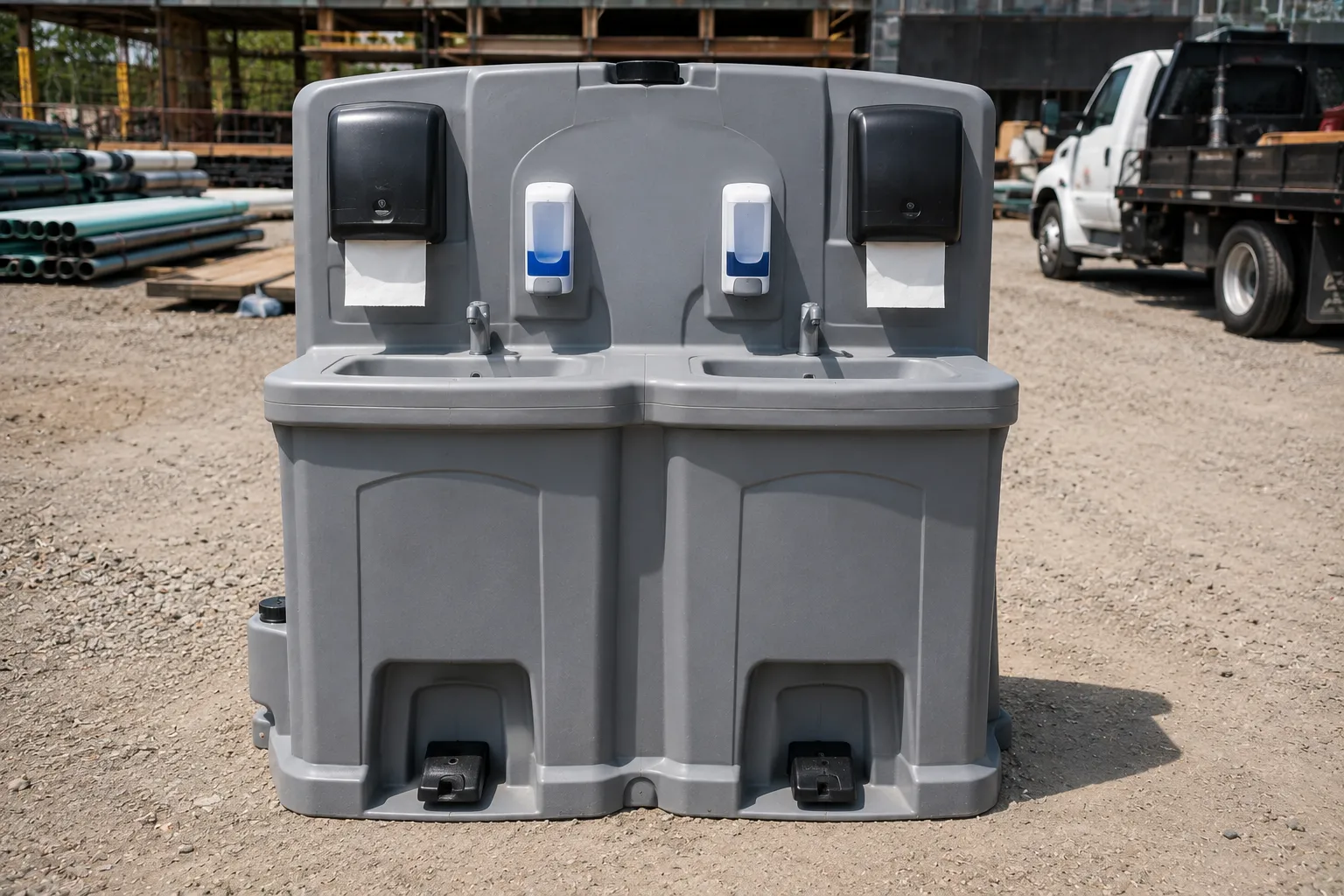
Does the Tank Size Affect a 1,000 Gallon Septic Tank Pumping Cost?
Tank size sets where you land inside the $150 to $300 band, and a 1,000 gallon tank is the most common residential size in the Kansas City area, so most quotes reference it directly. A tank this size, serving a typical household, fits the 3 to 5 year pumping interval without much deviation. Larger tanks, or tanks serving more people per bathroom, shift the estimate upward inside that same range rather than into a new pricing tier; the day-rate band already accounts for tank variation up to a point. What pushes a job past $300 is usually not tank size at all. It's a tank riser that has to be dug up, a lid buried under landscaping, or a line that needs additional work beyond the pump-out itself. Those are quoted separately once the crew sees the site. For anyone budgeting a renovation that touches both plumbing and site access, home renovation porta potty covers the toilet side of a project timeline, while the septic side stays a single-visit cost.
| service | duration | low | typical | high |
|---|---|---|---|---|
| septic pump-out | day | $150 | $250 | $300 |
| septic pump-out | weekend premium | $50 | $100 | $150 |
How much does septic tank pumping cost in Kansas City?
A standard pump-out costs $150 to $300 for a day visit, with most jobs near $250. Weekend service adds $50 to $150 on top of the weekday rate. Tank size, access, and how long it's been since the last pump-out all affect where your job lands in that range.
How often does a 1,000 gallon septic tank need pumping?
Every 3 to 5 years for most households, driven by tank size relative to the number of people using it. A larger household pushes that interval shorter. If you don't know your last pump-out date, schedule an inspection rather than guess.
What's the difference between septic pumping and a grease trap service?
Septic tanks run on a 3 to 5 year calendar based on household size. Grease interceptors get pumped when fats, oils, grease and solids reach 25 percent of the liquid depth, which can happen much faster in a busy kitchen. See grease trap pumping for that schedule.
Can I schedule septic pumping and portable toilet service together?
Yes. Construction sites and event venues in Kansas City often need both: a septic pump-out for an existing system plus portable restroom rental for crew or guest use. They're priced and scheduled separately since one is a single visit and the other runs by duration.
Is emergency septic pumping priced differently?
Yes. A scheduled pump-out fits the standard $150 to $300 day rate. An unplanned backup or overflow falls under emergency septic service and is priced for urgency, since it means dispatching outside the normal schedule.
Next step
Get a delivery date
Tell us the address, the dates and the headcount. We size the order and confirm the route.